Exclusive discounts on stylish gym wear!

How to Select Meals Based on Your Caloric Needs & Macro Goals
Learn how to choose meals based on calories and macros with a simple, sustainable approach for energy, training performance, and balanced nutrition.
10/13/20253 min read

How to Select Meals Based on Your Caloric Needs and Macro Goals
Balanced nutrition doesn’t have to be complicated. The goal is to choose meals that support your energy, your training, and your lifestyle—without turning eating into a math problem.
This guide will help you understand calories and macros in a simple, practical way so you can build meals that match your goals.
BMR, TDEE & Macro Estimates
Use the calculators below to explore:
your estimated baseline energy needs
how different goals (maintenance, fat loss, muscle gain) may shift those needs
a general macro range to guide meal-building
This is not a prescription — it’s a reference.
Your body is allowed to need different things on different days.
Understanding Your Caloric Needs
Calories are your body’s energy budget. Your daily needs depend on factors like your height, weight, age, activity level, and overall lifestyle.
A helpful starting point is your estimated:
BMR (Basal Metabolic Rate): energy your body needs at rest
TDEE (Total Daily Energy Expenditure): your BMR plus movement, work, training, and daily life
Once you have an estimated TDEE, your goal determines the direction:
Fat loss: small deficit (often -250 to -500/day)
Muscle gain: small surplus (often +250 to +500/day)
Maintenance/recomp: around maintenance with strong protein intake
You don’t need perfect numbers—you need a consistent range.
These calculators are here to give you a starting place, not a set of rules.
They’re meant to help you understand your body’s general energy needs so you can make food choices that feel supportive — not restrictive or overwhelming.
You don’t need to hit exact numbers.
You don’t need to be perfect.
Think of this as information you can use, adjust, and come back to as your life, training, and energy shift.
Estimates are based on common formulas and averages. Real bodies are more nuanced — use what’s helpful and leave the rest.
Once your results appear, use them as a guide, not a goal to chase.
Many people find it helpful to:
eat within a range, not a fixed number
prioritize protein and energy
adjust based on hunger, recovery, and training days
Consistency comes from flexibility — not control.
If you ever want help translating these numbers into real meals — without tracking every bite — there will be a simple, supportive meal plan available soon.
What Macros Are (and Why They Matter)
Macros are the three main nutrients that make up your food:
Protein: supports muscle repair, strength, and fullness
Carbohydrates: support training performance and energy
Fats: support hormones, satiety, and steady energy
Macros aren’t about restriction—they’re a way to build meals that actually work for your body.
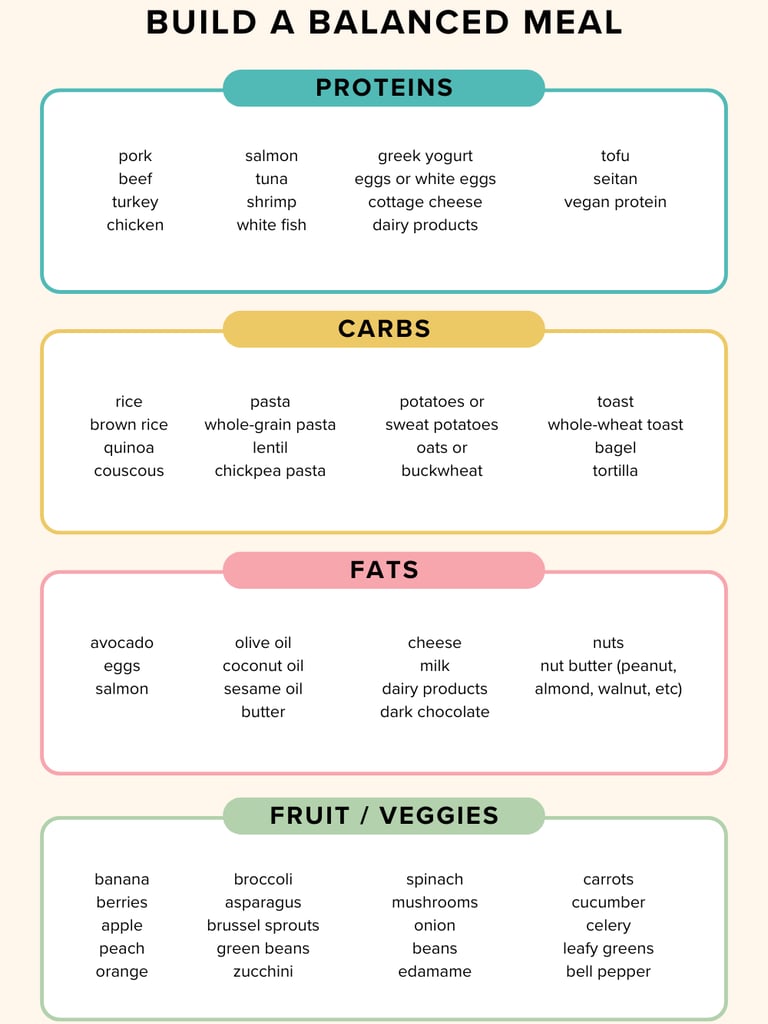
General Macro Targets (Simple Starting Point)
If you’re maintaining or recomposing (building muscle while leaning out), many people do well with a balanced distribution like:
Protein: 25–30%
Carbs: 40–50%
Fat: 20–30%
If you want a simple rule of thumb:
Prioritize protein → add carbs for training → use fats for satisfaction.
For Muscle Gain (Bulking)
Slight calorie surplus
Protein stays steady
Carbs often increase to support training
A common breakdown:
Protein: 25–30%
Carbs: 45–55%
Fat: 20–25%
For Fat Loss (Cutting)
Slight calorie deficit
Protein often increases slightly
Carbs and fats adjust based on preference and performance
A common breakdown:
Protein: 30–35%
Carbs: 30–40%
Fat: 25–30%
Stay The Same (Maintenance)
Here’s what macros can look like at 2,000 calories using a balanced split (example only):
Protein (30%): ~150g
Carbs (45%): ~225g
Fat (25%): ~55g
The exact breakdown is less important than consistency over time.
These calculators are meant to give you a starting point, not a set of rules.
Use them as a reference to understand your energy needs — then build meals that feel supportive and sustainable for you.
How to Choose Meals That Match Your Macros
Instead of trying to “hit numbers,” choose meals with a clear structure.
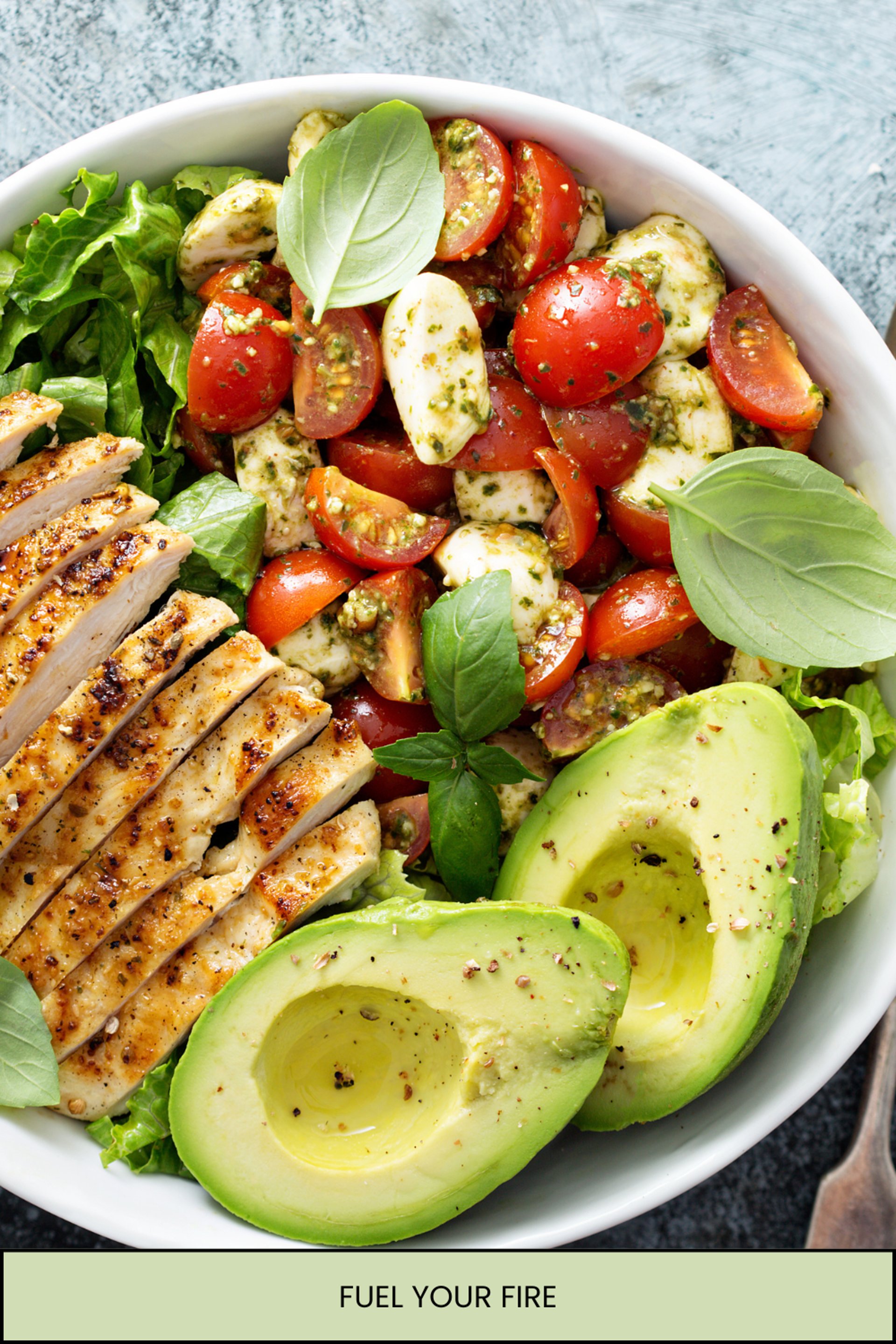
Build a balanced plate like this:
Protein (anchor): chicken, beef, eggs, Greek yogurt, fish, protein powder
Carb (energy): fruit, potatoes, rice, oats, beans, squash
Fat (satisfaction): avocado, olive oil, nuts, seeds, cheese
Produce (support): any vegetables or fruit you enjoy
If you’re very active and training hard, carbs often matter more than people think—especially for performance, mood, and recovery.
If you’d like help turning these numbers into real meals, I created a simple, supportive meal plan designed to remove decision fatigue while staying flexible and nourishing.

Make It Sustainable (The Part That Actually Works)
The “best” plan is the one you can keep doing.
A few ways to make meal selection easier:
Repeat 5–10 go-to meals on rotation
Batch cook proteins + veggies 2x/week
Use simple snack defaults (protein + fiber + fat)
Keep meals flexible instead of perfect
You’re building a pattern, not passing a test.
Selecting meals based on calories and macros doesn’t have to feel rigid. Start with a consistent calorie range, prioritize protein, and build meals that support energy and training.
If you want your nutrition to work long-term, keep it simple—and keep it kind.


Connect
Blossom Into Strength
Fuel Your Fire.
Contact
Angelswhims@outlook.com
Disclaimer
The information shared on Barbell & Blossom is based on personal experience, independent research, and years of consistent training. I am not a licensed medical, nutrition, or healthcare professional.
This content is intended for educational and informational purposes only and should not replace professional medical advice. Always consult a qualified healthcare provider before making changes to your diet, training, or lifestyle.
Everything shared here comes from lived experience — lessons learned, adjustments made, and practices that helped me build sustainable strength. If it supports you too, I’m grateful.
© 2025. All rights reserved.