Exclusive discounts on stylish gym wear!

Understanding Buckwheat Starters: A Different Rise
How to Make a Buckwheat Sourdough Starter (Even If It’s Not Rising Yet)
4/23/20263 min read


🌾 Why Buckwheat Sourdough Is Different
Unlike regular sourdough made with wheat flour, buckwheat does not contain gluten.
That means:
It won’t stretch the same way
It won’t trap air as easily
It may not double in size
Instead, your starter will be:
Thicker and more paste-like
Full of small and medium bubbles
Slightly active, not dramatically rising
👉 Bubbles matter more than height.
🧠 Why Your Starter Isn’t Rising Yet
7
If you’re seeing:
Bubbles forming
A slightly tangy or earthy smell
A thicker, active texture
👉 Your starter is alive.
It just hasn’t built enough strength yet.
This stage can last anywhere from 4–10 days, depending on your environment.
👀 What a Healthy Buckwheat Starter Looks Like
You’re not looking for a huge rise—you’re looking for signs of activity.
A healthy starter will:
Have visible bubbles throughout
Look slightly aerated
Feel thick (like dense pancake batter or paste)
Have a mild sour smell
Eventually, you may see a small lift or dome—but it will be subtle.
🥄 Simple Buckwheat Feeding Routine
Keep this part simple and consistent.
Daily Feed:
1/2 cup buckwheat flour
1/3 cup water
Mix until smooth and thick.
👉 Buckwheat absorbs water differently, so adjust slightly if needed.
Consistency goal:
Thick, but still stir-able—not runny.
⏱ When to Feed More Often
Around day 5–7, if you’re seeing consistent bubbles:
👉 Start feeding 2 times per day
This helps build strength faster.
🚨 Common Mistakes (That Slow Everything Down)
Adding too much water (too runny)
Feeding too often too early
Keeping it in a cold space
Expecting it to act like regular sourdough
Giving up too soon
👉 Most starters fail because they’re abandoned too early—not because they were “wrong.”
🧪 The Truth About the Float Test
The float test is often recommended—but here’s the truth:
👉 It’s not reliable for buckwheat starters.
Instead, look for:
Consistent bubbling
Slight expansion after feeding
Tangy smell
A lightened texture
That’s how you know it’s ready.
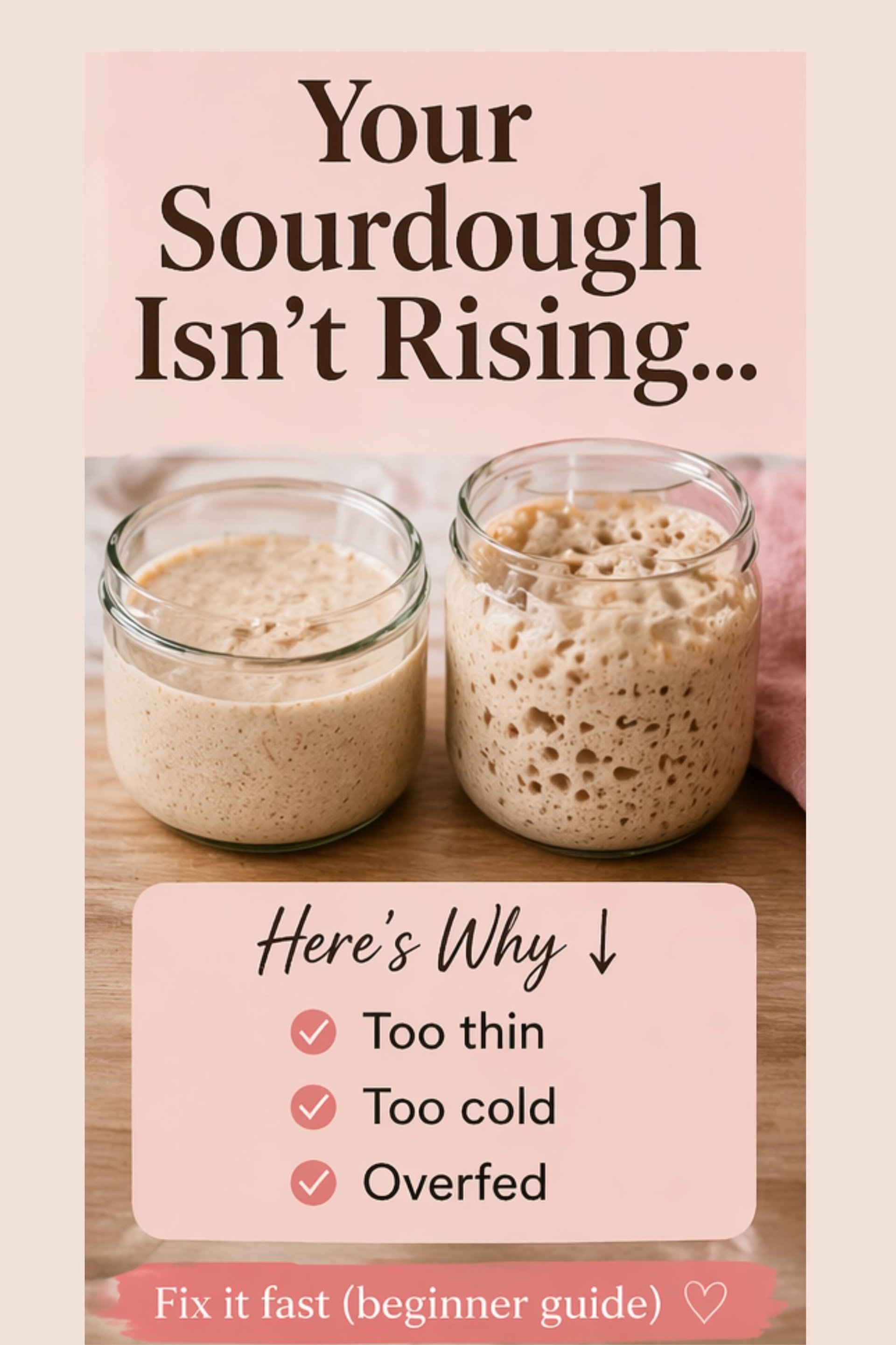
How to Make a Buckwheat Sourdough Starter (Even If It’s Not Rising Yet)
Fuel Your Fire with simple, gut-friendly baking 🌸
🍞 If Your Starter Isn’t Rising… Read This First
If your buckwheat sourdough starter smells tangy, has bubbles, but isn’t rising—you’re not doing anything wrong.
This is one of the most confusing parts of working with a grain-free starter, and it causes a lot of people to give up too early.
But here’s the truth:
👉 Buckwheat starters behave differently than traditional sourdough.
And once you understand what to look for, everything starts to make sense.
🌾 Why Buckwheat Sourdough Is Different
Unlike regular sourdough made with wheat flour, buckwheat does not contain gluten.
That means:
It won’t stretch the same way
It won’t trap air as easily
It may not double in size
Instead, your starter will be:
Thicker and more paste-like
Full of small and medium bubbles
Slightly active, not dramatically rising
👉 Bubbles matter more than height.
🧠 Why Your Starter Isn’t Rising Yet
If you’re seeing:
Bubbles forming
A slightly tangy or earthy smell
A thicker, active texture
👉 Your starter is alive.
It just hasn’t built enough strength yet.
This stage can last anywhere from 4–10 days, depending on your environment.
👀 What a Healthy Buckwheat Starter Looks Like
You’re not looking for a huge rise—you’re looking for signs of activity.
A healthy starter will:
Have visible bubbles throughout
Look slightly aerated
Feel thick (like dense pancake batter or paste)
Have a mild sour smell
Eventually, you may see a small lift or dome—but it will be subtle.
🥄 Simple Buckwheat Feeding Routine
Keep this part simple and consistent.
Daily Feed:
1/2 cup buckwheat flour
1/3 cup water
Mix until smooth and thick.
👉 Buckwheat absorbs water differently, so adjust slightly if needed.
Consistency goal:
Thick, but still stir-able—not runny.
⏱ When to Feed More Often
Around day 5–7, if you’re seeing consistent bubbles:
👉 Start feeding 2 times per day
This helps build strength faster.
🚨 Common Mistakes (That Slow Everything Down)
Adding too much water (too runny)
Feeding too often too early
Keeping it in a cold space
Expecting it to act like regular sourdough
Giving up too soon
👉 Most starters fail because they’re abandoned too early—not because they were “wrong.”
🧪 The Truth About the Float Test
The float test is often recommended—but here’s the truth:
👉 It’s not reliable for buckwheat starters.
Instead, look for:
Consistent bubbling
Slight expansion after feeding
Tangy smell
A lightened texture
That’s how you know it’s ready.
Connect
Blossom Into Strength
Fuel Your Fire.
Contact
Angelswhims@outlook.com
Disclaimer
The information shared on Barbell & Blossom is based on personal experience, independent research, and years of consistent training. I am not a licensed medical, nutrition, or healthcare professional.
This content is intended for educational and informational purposes only and should not replace professional medical advice. Always consult a qualified healthcare provider before making changes to your diet, training, or lifestyle.
Everything shared here comes from lived experience — lessons learned, adjustments made, and practices that helped me build sustainable strength. If it supports you too, I’m grateful.
© 2025. All rights reserved.